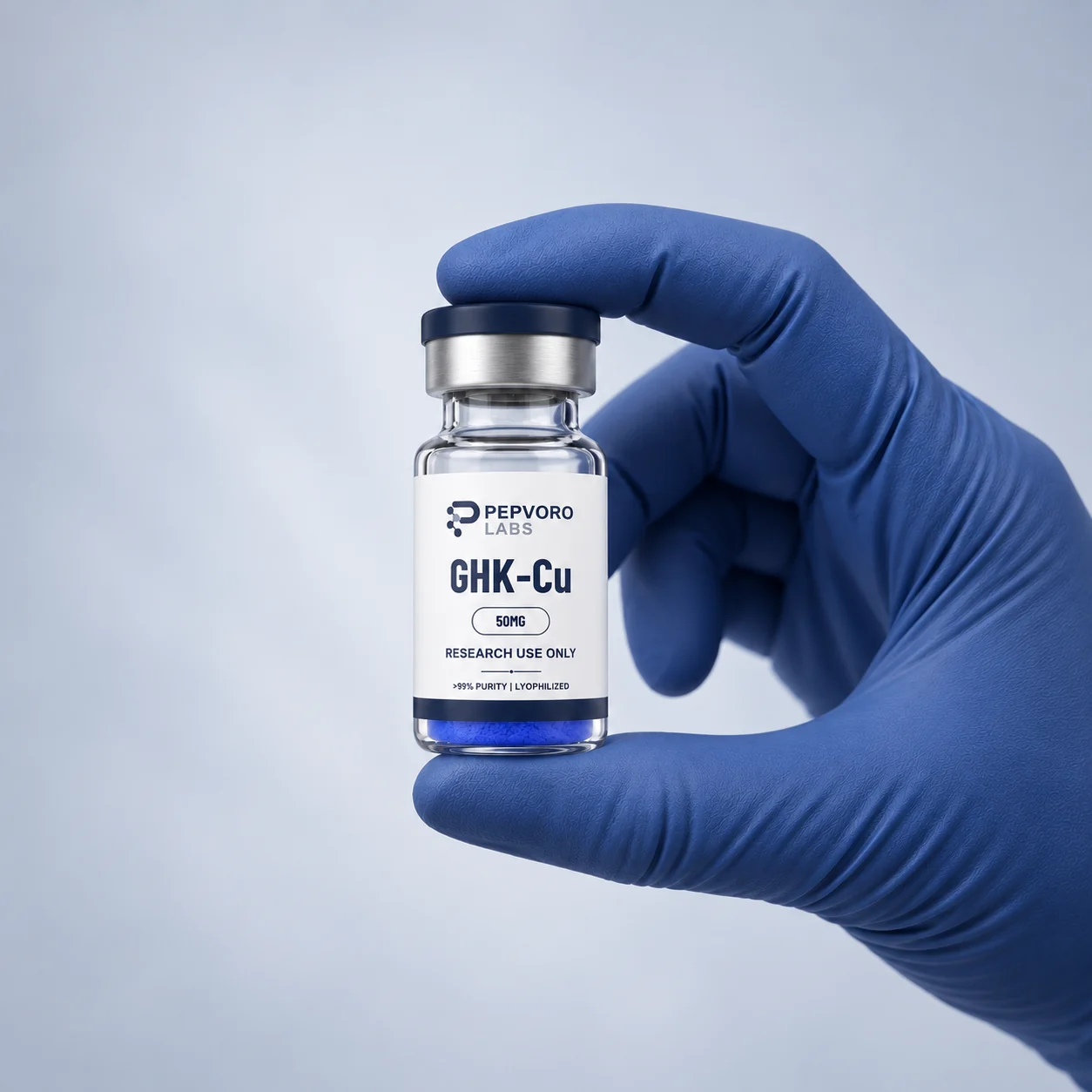
PV-Diluent
3 mL
PV-Diluent is a laboratory water diluent formulated with 0.9% benzyl alcohol, a bacteriostatic preservative. It is a liquid supply for laboratory research preparation. Compatibility and storage of any prepared solution depend on the material added.
Research use only. Not for human or veterinary use.
Bundle & save
Buy more, save more - discounts apply automatically.
Batch documentation
Quality, documented


PV-Diluent
Looking for a batch report?
A certificate for PV-Diluent is not currently published. Contact our team with the product name and batch number so we can help you find the relevant documentation.
Request documentationTechnical specifications
Compound information
Diluent profile
About PV-Diluent
- Type
- Bacteriostatic aqueous laboratory diluent
- Composition
- Water with benzyl alcohol
- Preservative
- Benzyl alcohol · 0.9%
- CAS numbers
- Water: 7732-18-5; benzyl alcohol: 100-51-6
- Molecular weight
- Mixture; water: 18.015 g/mol; benzyl alcohol: 108.14 g/mol
PV-Diluent is a mixture, so it has no single molecular formula, CAS number, or molecular weight. Ingredient values come from PubChem; the 0.9% concentration comes from Pepvoro's product listing. Batch sterility and endotoxin results were not reviewed.
Storage requirements
Stability information
- Unopened vial
- Follow the storage conditions on the PV-Diluent batch label.
- After opening
- Follow the batch label for handling and storage after opening. Discard the material if its container or appearance is compromised.
- Batch expiry and prepared solutions
- Use the expiry on the PV-Diluent batch label. A solution made with another material has its own compatibility and storage requirements; this diluent does not establish that solution's shelf life.
Batch-specific storage and handling instructions take precedence. No PV-Diluent-specific stability study is published here.